Don't let the bed bugs bite ... bed bug pest control
Bed bugs are blood-sucking parasites named for their common hiding spot in mattresses, and the problems they cause can be huge. But how do you prevent them and what does bed bug pest control look like? Read on!
12/7/20252 min read
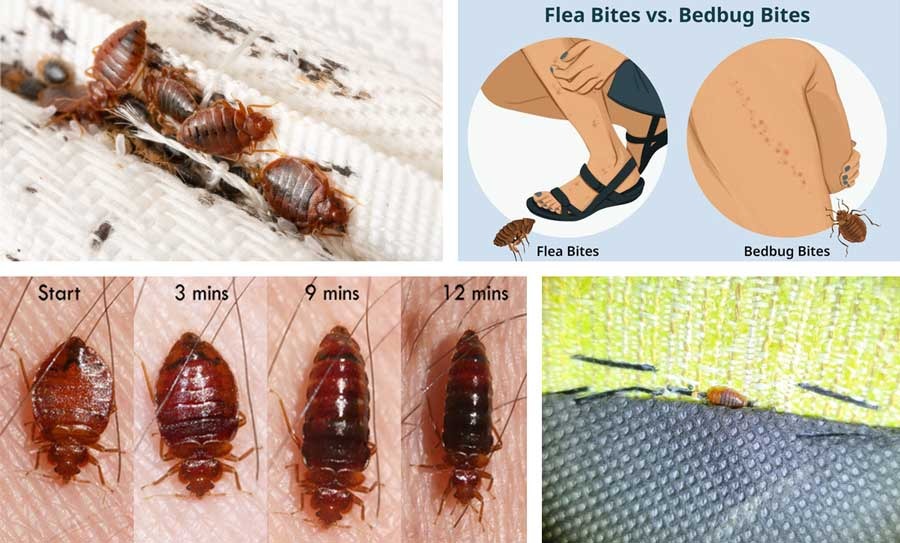
Bed bugs are blood-sucking parasites named for their common hiding spot in mattresses. They’re incredibly hearty insects and can survive long durations without feeding, massive temperature swings, and easily dodge at-home bed bug control remedies.
The problems bed bugs cause for the accommodation industry can be huge. A single overlooked infestation can quickly turn into damaged reputation, expensive treatments, and rooms out of action. Guests who return from staying somewhere infested are far more likely to leave a bad review and never return.
They are notoriously difficult to treat, so understanding how they get in and how to stop them is key.
How bed bugs get in
Bed bugs are expert hitchhikers. Contrary to popular belief, they don’t come from poor hygiene; they come from movement. Common entry points include:
Guest luggage: The number one cause.
Furniture and mattresses: Particularly pre-owned items.
Shared laundry or housekeeping trolleys: Bugs can move between rooms through linen systems.
Adjoining rooms: They travel through gaps, cracks, bed frames, and electrical fixtures.
What to look out for
Early detection is everything. Housekeeping should watch for:
Rust-coloured marks on bedding, mattress seams or sofa edging. Check the back of headboards and between bedside table drawers.
Shed skins or tiny pale eggs.
Sweet, musty smell.
Guests reporting clustered or linear bites (see pic above).
Live bugs (about the size of an apple seed).
What to do if you find any
Quick action prevents a minor issue becoming an expensive outbreak.
Isolate the room and bag and seal bedding.
Inspect adjoining rooms straight away.
Avoid DIY sprays - these scatter bed bugs deeper and make treatment much harder.
Call a licensed pest technician like us, who have vast experience in eradicating these parasites.
Document everything for follow-up.
Treatment options usually involve:
Professional, residual chemical treatments applied to all affected zones.
Heat treatment that raise room furniture and surfaces to lethal temperatures.
Steam treatments for mattresses, bed frames, and high-risk areas.
Steam treatment may not reach cracks where bugs hide, whereas chemicals leave a residue that will catch a hidden population as they move. Heat treatment is effective but expensive, and you have to factor in potential damage to soft plastics or decor.
How to prevent bed bugs
Prevention saves thousands in lost revenue and reputation.
Train housekeeping to check high-risk areas during cleans.
Use bed bug-proof mattress and base protectors.
Avoid moving furnishings from room to room.
Schedule regular preventative pest inspections, even without visible activity.
Encourage guests to use luggage racks rather than placing their bags on beds.
Bed bugs multiply quickly, travel easily, and require detailed, thorough treatment. Early detection and response can prevent room shutdowns, complaints, and fallout with guests. With proper procedures and regular checks, you’ll keep your property welcoming, safe, and bug-free!
Don't wait until it's too late! Call on 0485 522 559 or email us at info@buttonpestcontrol.com.au to discuss your options.
Button Pest Control
0485 522 559
info@buttonpestcontrol.com.au
PO Box 547, Pakenham, VIC 3810
Licenses: L010955 / L012918
ABN: 52 596 097 818
© 2026. All rights reserved.
Website by Dawn Button - Button Pest Control