How to enjoy pest-free composting
Composting at home is one of the simplest ways to reduce household waste and give something back to your garden. The key to keeping things fresh (and pest-free) is consistency.
RESIDENTIAL PEST CONTROLHEALTHY COMPOSTING
5/6/20262 min read
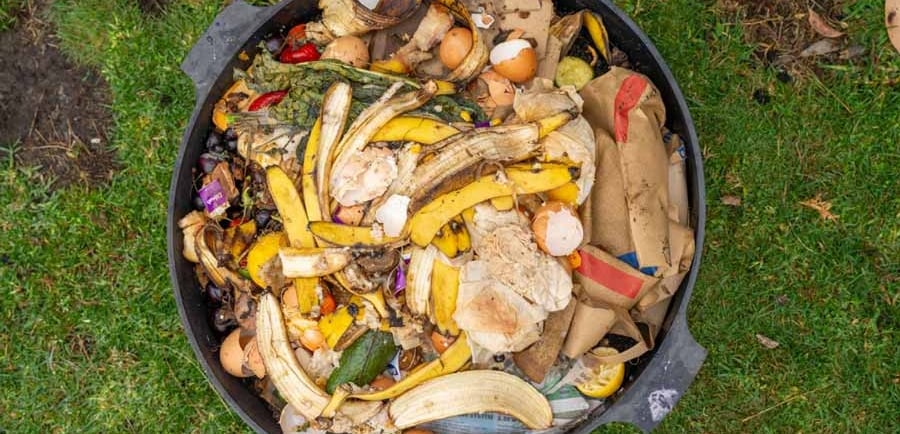
Composting at home is one of the simplest ways to reduce household waste and give something back to your garden.
The key to keeping things fresh (and pest-free) is consistency. Food scraps like fruit and veggie peelings, coffee grounds, and eggshells break down quickly, but they can also become a magnet for flies if left sitting too long indoors.
As a general rule, your indoor compost bin should be emptied every 2–3 days, or daily in warmer weather. Make sure the lid seals well, line the bin with compostable liners if you prefer easy cleaning, and give it a quick rinse between uses. Adding a small layer of dry material like paper towel or shredded newspaper can also help absorb moisture and reduce odours that attract unwanted visitors.
If you’ve ever opened your bin to find maggots, you’re not alone! It’s a common issue, especially in warmer climates. Maggots appear when flies are able to access your scraps and lay eggs. To avoid this, keep your indoor bin tightly sealed, avoid overfilling, and don’t let food sit for too long. Rinsing particularly attractive items like overripe fruit or egg (or wrapping them in a bit of newspaper before adding them) can also help. If you do spot maggots, empty the bin immediately, give it a thorough clean with hot soapy water, and let it dry completely before using again. A splash of vinegar can help deter future visitors.
For outdoor composting, especially if you have a garden bin or heap, making it rodent-proof is essential. Rats and mice are always on the lookout for an easy food source, and an unprotected compost pile can quickly become their new favourite spot. Use a compost bin with a secure lid, and if possible, one that sits on a solid base or has fine mesh underneath to prevent burrowing. Avoid adding foods like sweet fruits or leftover egg, as these can draw pests in quickly.
Turning your compost regularly not only helps it break down faster to make compost in as little as 3 months, but also discourages pests from settling in. Passive composting can take up to 2 years! Keeping a good balance of “green” (food scraps) and “brown” (dry leaves, cardboard) materials will also reduce smells and make your compost less appealing to unwanted guests.
With a few simple habits, composting can stay clean, efficient, and completely pest-free, leaving you with rich, healthy soil instead of unwanted visitors.
Button Pest Control
0485 522 559
info@buttonpestcontrol.com.au
PO Box 547, Pakenham, VIC 3810
Licenses: L010955 / L012918
ABN: 52 596 097 818
© 2026. All rights reserved.
Website by Dawn Button - Button Pest Control