Why you need pest control for ants near electrics
WHY YOU NEED PEST CONTROL FOR ANTS NEAR ELECTRICS
11/23/20252 min read
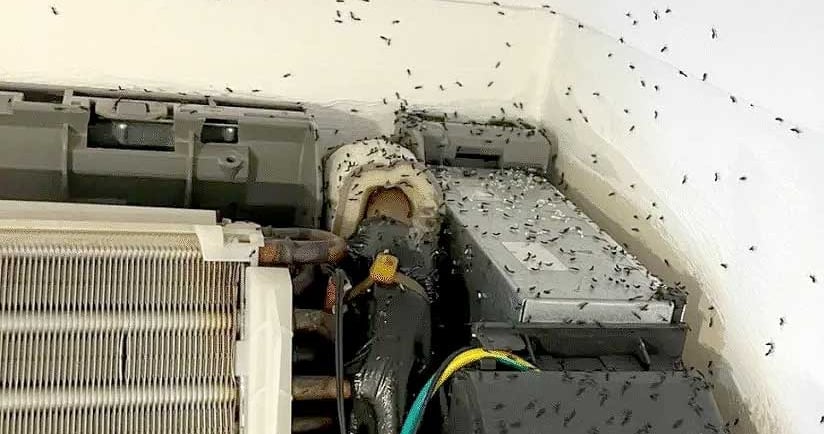
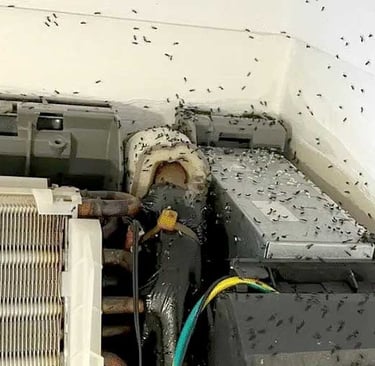
Most people think of ants as a harmless, annoying nuisance. But when ants start moving into your electrical circuitry, they turn into a genuine electrical hazard, and you need pest control for them. Here’s why letting ants settle in is a risk you don’t want to take.
1. Ants are drawn to warm, sheltered environments.
Roof cavities, switchboards, fuse boxes, pool equipment, aircon, water heaters, control panels for electric gates, or any electrical circuitry offers them:
Stable warmth
No wind or rain
Plenty of crevices to build nests.
Once a colony decides your electrical system is the perfect home, they settle in fast.
2. This is the part most people never expect - they cause electrical shorts and failures
When ants nest inside electrical equipment, several problems can occur:
Ants bridging contact points, electrically-conductive ant bodies or ant eggs can create a bridge between terminals, causing short circuits.
Chewed insulation, some ant species will chew through wiring insulation while making nests or exploring. This can lead to:
Exposed live wires
System malfunctions
Fire hazards
Moisture and debris buildup.
Ant nests are messy. They introduce soil, moisture, and organic material into spaces that are meant to stay clean and dry. This buildup can cause corrosion, overheating, or premature equipment failure.
Blown fuses and system shutdowns.
It’s common for ants inside electric gate housings, pump housings, and pool equipment panels to cause complete equipment breakdowns. One nest can render a system inoperable.
3. The fire risk is real
When wiring is compromised through nests, exposed insulation, or overheating, the chance of fire increases. Even small electrical faults can spark when surrounded by dry nesting material.
4. Ants multiply fast
Roof voids and electrical cavities give ants exactly what they need to expand their colonies: warmth, safety, and darkness. A small trail can become a colony of thousands in just weeks. And once they’re established, DIY sprays won’t reach the nest or solve the root cause.
5. And here's the big one … they often return
Even when the ants die inside electrical equipment, their scent trails and pheromones attract new ants to the same spot. Without proper treatment, you’ll end up in a cycle:
Ants ➝ shorts ➝ equipment failure ➝ a few dead ants ➝ more ants ➝ another breakdown
It’s a loop no homeowner wants to be stuck in.
How we fix the problem safely
At Button Pest Control, we specialise in treating electrical areas without compromising your electrics. We focus on:
✔ Targeted, low-toxicity baits
✔ Safe application around circuitry
✔ Eliminating entire colonies, not just the ants you can see
✔ Preventive barriers to stop re-infestation
✔ Identifying moisture, vegetation, and access issues that encourage nesting.
It’s not just about removing ants, it’s about protecting your home’s wiring, appliances, and safety.
Should you be worried if you see ants around your electricals?
Short answer, yes, but there's no need to panic. The presence of ants doesn’t mean your home is in danger, but it does mean you should get it checked before damage occurs. Electrical repairs can cost hundreds or even thousands, and they’re almost always avoidable with early treatment.
Finally ...
Ants aren’t just little crumbs thieves. When they move into electrical systems, they can cause serious, expensive, and dangerous issues. If you’ve noticed ants around your roof, switchboard, meter box, fuse box, gate controls, or anywhere there's circuitry, it’s worth getting professional advice before a “small problem” becomes a blowout.
If you’re unsure, send us a message or call us to book an inspection. We’ll pop around and make sure your wiring and your safety are protected.
Button Pest Control
0485 522 559
info@buttonpestcontrol.com.au
PO Box 547, Pakenham, VIC 3810
License No: L010955
ABN: 52 596 097 818
© 2025. Website by Button Pest Control. All rights reserved.