What are Lawn Shrimp?
LAWN SHRIMPHEALTHY GARDENHARMLESS INSECT
2 min read
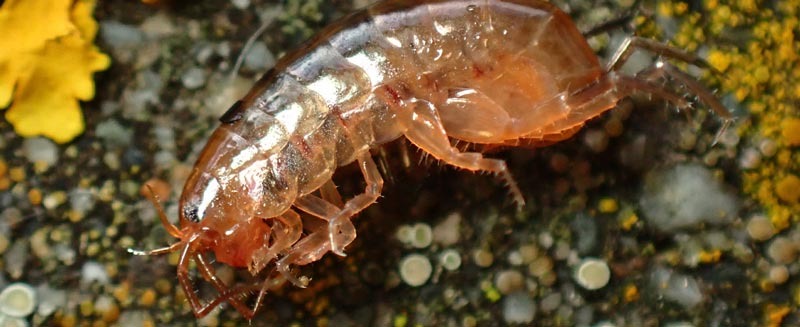
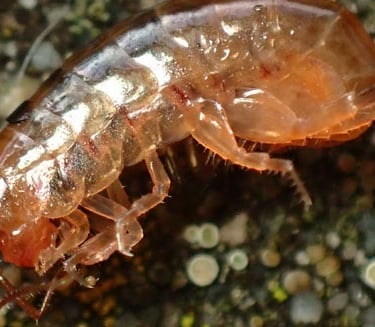
What are Lawn Shrimp and why are they suddenly everywhere?
If you've discovered tiny, shrimp-like creatures hopping around your patio, driveway or even inside your home after rain, don't panic. They're almost certainly lawn shrimp (Arcitalitrus Sylvaticus).
Despite their unusual appearance, lawn shrimp aren't insects at all. They're small land-dwelling crustaceans, more closely related to prawns and crabs than ants or cockroaches!
Where do lawn shrimp come from?
Lawn shrimp thrive in cool, damp environments. They're commonly found beneath mulch, leaf litter, garden beds and dense ground cover where the soil stays moist.
After periods of heavy rain or excessive watering, their habitat can become waterlogged, forcing them to move in search of drier ground. That's when they often appear in large numbers on paths, patios, garages and occasionally inside homes.
Are lawn shrimp harmful?
Absolutely not.
Lawn shrimp don't bite, sting or spread disease. They won't damage your home, eat your plants or infest your pantry. In fact, they play an important role in breaking down decaying organic matter and improving soil health.
The biggest nuisance is simply their numbers. Once they leave damp soil, they quickly dry out and die, often leaving small curled-up bodies around doorways, paths or inside garages.
Common misconceptions
"They're baby prawns!"
No. Although they look remarkably similar, lawn shrimp are a completely different species adapted to living on land."They've infested my house."
Usually not. Lawn shrimp don't breed indoors because they need consistently moist conditions to survive. Those found inside have generally wandered in accidentally and won't establish a population."I need my house sprayed immediately."
Not necessarily. Since lawn shrimp are constantly moving in from surrounding garden areas, insecticide treatments often provide only short-term results. Managing excess moisture is usually much more effective."They're damaging my lawn."
Quite the opposite. Lawn shrimp feed on decaying leaves and other organic material. They aren't feeding on healthy grass or plant roots.
How can I reduce lawn shrimp?
The best long-term solution is to make your garden less attractive to them.
Avoid overwatering lawns and garden beds.
Improve drainage in damp areas.
Remove excessive leaf litter and decaying mulch.
Trim back dense vegetation against the home.
Seal gaps under doors where practical.
As the weather becomes warmer and drier, lawn shrimp numbers usually decline naturally.
When should you call a pest professional?
If lawn shrimp are entering your home in large numbers, a professional inspection can help identify moisture issues and discuss practical management options. While chemical treatments may assist in some situations, they are rarely a complete solution without addressing the conditions attracting the lawn shrimp in the first place.
At Button Pest Control, we'll always recommend the most practical and cost-effective approach. Sometimes that means treatment, but sometimes it simply means making a few changes around the garden that solve the problem for good.
Image: Cricket Raspet License: https://creativecommons.org/licenses/by/4.0/deed.en
Button Pest Control
0485 522 559
info@buttonpestcontrol.com.au
PO Box 547, Pakenham, VIC 3810
Licenses: L010955 / L012918
ABN: 52 596 097 818
© 2026. All rights reserved.
Website by Dawn Button - Button Pest Control